Frequently Asked Questions
Curious about Boswellia and natural joint support? Our editorial team has compiled the most common questions to help you learn more about this remarkable plant extract and how it may support everyday mobility and flexibility.
Plant-Based Knowledge
Our articles explore the science and tradition behind Boswellia serrata, a resin-producing tree with a long history in herbal practice for supporting musculoskeletal comfort.
Research-Informed Content
Every article published by the Naturalmobilityblend editorial team is reviewed for accuracy and grounded in publicly available nutritional science and botanical research.
Reader-Driven Questions
The questions on this page were shaped by real reader inquiries sent to our editorial inbox. We update this FAQ regularly as new topics emerge from our community.
Everything You Want to Know About Boswellia
Click any question below to expand the full editorial answer from our research and content team.
Boswellia is a genus of trees native primarily to the dry, mountainous regions of India, Africa, and the Arabian Peninsula. The most studied species for natural joint support is Boswellia serrata, commonly known as Indian frankincense. Its resin — harvested by making incisions in the bark — has been a cornerstone of Ayurvedic practice for centuries.
Modern nutritional science has turned its attention to specific compounds within this resin, particularly boswellic acids. These naturally occurring molecules are the focus of a growing body of research exploring how plant-based dietary supplements may support comfort during movement and everyday physical activity.
Boswellic acids are a family of pentacyclic triterpenic compounds found within the resin of Boswellia trees. Among these, AKBA (acetyl-11-keto-beta-boswellic acid) is considered the most biologically significant and has attracted the attention of nutritional scientists worldwide.
Researchers are particularly interested in how these naturally occurring molecules may interact with certain biological pathways related to joint tissue, flexibility support, and overall musculoskeletal comfort. The editorial content on our platform draws from peer-reviewed journals and published botanical studies to present this information in a clear, accessible way.
Several plant extracts are commonly featured in discussions about natural joint support — including turmeric (curcumin), willow bark, devil's claw, and ginger. What sets Boswellia apart, according to available botanical research, is its specific mechanism of action. While many plant compounds work broadly, boswellic acids appear to act on distinct molecular pathways involved in connective tissue and cartilage health.
Additionally, Boswellia has a particularly deep historical usage record in Ayurvedic and East African traditions — it was used not just for physical comfort but also in ceremonial contexts, suggesting its cultural significance extends well beyond a modern supplement trend. Our library contains in-depth comparisons of these plant extracts for readers who want to explore further.
Based on the current body of nutritional and botanical research, Boswellia serrata extract is generally regarded as well-tolerated by most healthy adults when consumed in dietary supplement form at commonly studied serving sizes. Multiple published studies have evaluated its short- and medium-term use profiles and noted a favorable safety background compared to many synthetic alternatives.
That said, our editorial platform does not provide personalized health advice. We always recommend that readers consult with a qualified health professional before beginning any new dietary supplement routine, particularly those with existing conditions, those who are pregnant or nursing, or those taking regular medications.
You can read our full editorial disclaimer on our disclaimer page for more context on how we present health-related information.
When our editorial team uses the phrase "natural joint support," we are referring to the use of plant-derived dietary supplements and lifestyle strategies that may help maintain the comfort, flexibility, and range of motion associated with healthy joint function. This is distinct from medical procedures, pharmaceutical interventions, or clinical treatments.
The concept of "support" in nutritional science refers to providing the body with micronutrients, phytonutrients, and bioactive compounds that contribute to normal physiological processes. It is not a claim that any supplement reverses, cures, or substitutes for medical care. Our platform publishes educational content to help readers understand this distinction clearly.
Our content at Naturalmobilityblend is written for a broad audience — from active individuals and fitness enthusiasts looking to understand plant-based recovery support, to older adults interested in maintaining their everyday movement and flexibility through natural means. Athletes who subject their joints to repeated physical stress often find our articles on cartilage-supporting nutrients particularly relevant.
We also attract readers who are simply curious about Ayurvedic traditions, the science of plant resins, or the growing intersection of herbal knowledge and modern nutritional research. Our content is educational and accessible — no prior scientific background is required to engage with it meaningfully.
Research literature often examines Boswellia in combination with other natural compounds. Common synergistic pairings include curcumin from turmeric, glucosamine (a naturally occurring amino sugar), chondroitin sulfate, collagen peptides, and hyaluronic acid. Each of these compounds targets different aspects of connective tissue and cartilage health, and their combination is thought by some researchers to create broader support than any single ingredient alone.
Vitamins such as vitamin C (essential for collagen synthesis) and vitamin D (linked to musculoskeletal health) also appear frequently in supplement formulation research. Our blend overview page explores these ingredient combinations in greater editorial detail.
According to published nutritional and lifestyle research, a number of everyday habits can meaningfully support joint flexibility alongside a thoughtful dietary supplement routine. Low-impact physical activity — such as swimming, yoga, cycling, and walking — is widely cited as beneficial for maintaining joint range of motion and surrounding muscle strength. Hydration is equally important, as joint cartilage relies heavily on adequate fluid intake.
A balanced, anti-oxidant-rich diet including omega-3 fatty acids (found in oily fish, flaxseed, and walnuts), colorful vegetables, and whole grains provides the nutritional building blocks that connective tissue requires for ongoing repair and maintenance.
Our joint tips section covers these practical lifestyle strategies in detail, written in accessible language for everyday readers.
Naturalmobilityblend operates as an editorial and informational platform. Our primary purpose is to publish well-researched, reader-friendly articles about Boswellia, natural joint mobility, plant-based dietary supplements, and related lifestyle topics. We are not a retail store and do not process payments or fulfill orders on this website.
If you come across a reference to a product or supplement within our content, it is presented in an educational or illustrative context. For questions about our editorial scope and content policies, please visit our about us page or reach out through our contact form.
Every article published on this platform goes through an internal editorial review process. Our writers draw from peer-reviewed publications, established nutritional databases, recognized botanical research institutions, and reputable health journalism sources. Claims about supplement ingredients are cross-referenced with multiple sources before publication.
We take particular care to distinguish between content that is well-supported by existing research and content that is based on emerging or preliminary findings. Where evidence is inconclusive or limited, we say so explicitly. Our editorial team believes that honest, nuanced science communication is more valuable to readers than oversimplified or overstated claims.
Yes — while our editorial content covers broadly applicable nutritional and botanical science, we are based in Málaga and write with a European and specifically Spanish readership in mind. This means we are mindful of European food supplement regulations (particularly EFSA guidelines), local lifestyle patterns such as the Mediterranean diet, and the physical activity habits common in Southern Europe's climate.
The Mediterranean diet, rich in olive oil, legumes, fish, and seasonal vegetables, already provides a strong nutritional foundation for joint health. Our articles often explore how Boswellia and other plant-based additions can complement this dietary pattern rather than replace it. Readers in Spain will find our content directly relevant to their everyday nutritional context.
We genuinely welcome reader input — many of the questions on this very page were submitted by our audience. If you have a question about Boswellia, natural joint flexibility, plant-based dietary supplements, or any related topic that you'd like our editorial team to address, you can reach us directly via our contact page.
You can also subscribe to our content newsletter (see the form below) to be notified when new articles are published. We aim to respond to all editorial inquiries within a few working days. Our team is located at Calle Sol 133, Málaga, and can be reached at [email protected]. For more options, visit our contact page.
Still Have Questions?
Our editorial content library is filled with in-depth articles on Boswellia, natural mobility, and plant-based dietary science. Explore our full knowledge base or send your question directly to our team.
Feedback From Our Community
Readers across Spain share their experience with our educational content on Boswellia and natural mobility support.
"I came across this platform while researching Boswellia after my physiotherapist mentioned it. The FAQ page alone answered so many of my questions clearly and without any confusing jargon. I really appreciate that the team explains the difference between what research supports and what is still uncertain — it feels honest and trustworthy. I've now bookmarked the entire article library."
Marta Rodríguez
Seville, Spain
"As someone who cycles regularly and has been curious about plant-based support for recovery, I found the content here incredibly well-written. The question about Boswellia versus other plant extracts was particularly eye-opening — I had no idea there was such a distinction in how different compounds work at a molecular level. The articles are accessible to someone without a science background, which is rare. Highly recommend to any active adult in Spain looking for reliable natural health information."
Jordi Puig
Barcelona, Spain
Related Articles
Continue exploring natural mobility and joint health topics

5 Yoga Poses That Naturally Improve Joint Flexibility After 50
Low-impact movements that protect cartilage, reduce stiffness, and restore range of motion — no gym required.
Read Article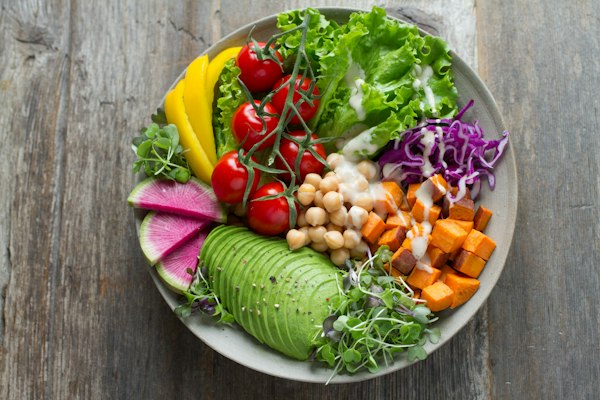
The Anti-Inflammatory Diet: Foods That Fight Joint Pain From the Inside Out
What you eat has a direct impact on joint inflammation. Discover the Mediterranean foods proven to reduce chronic pain naturally.
Read Article
Collagen vs. Glucosamine vs. Turmeric: Which Joint Supplement Actually Works?
A science-backed breakdown of the most popular natural joint supplements — what the research says, and who benefits most from each.Read Article
Frequently Asked Questions
Answers to what our readers ask most about natural mobility and joint health
Stay Informed. Move Better. Live Fully.
Join thousands of active adults across Spain who trust Naturalmobilityblend for evidence-based guidance on natural joint health, mobility, and pain-free living. New articles every week — always free, always science-backed.
No spam, ever. Unsubscribe at any time. Your privacy is respected.